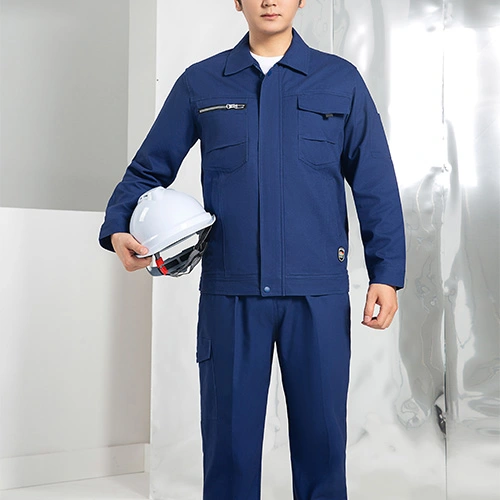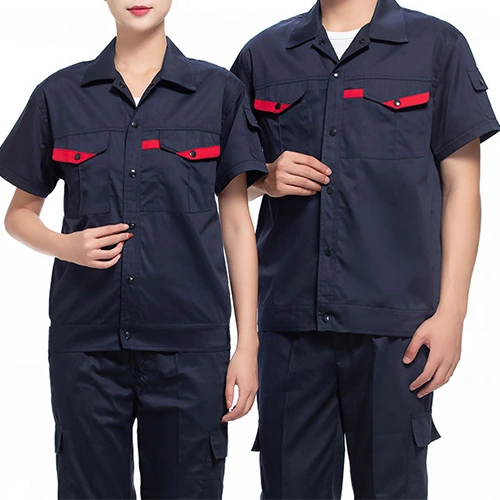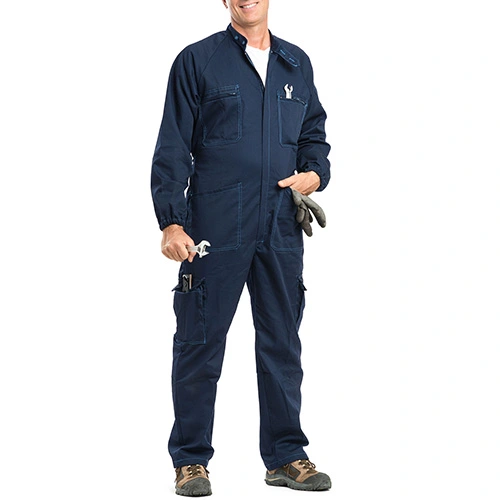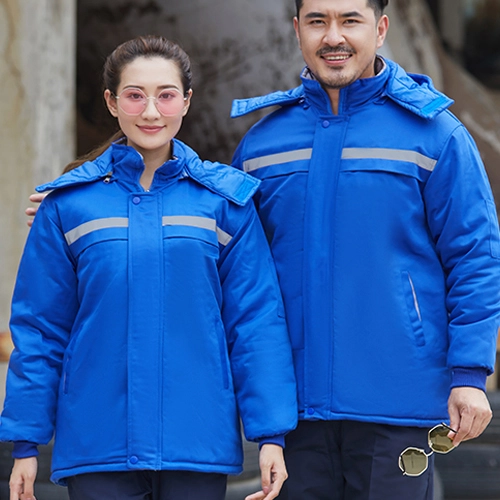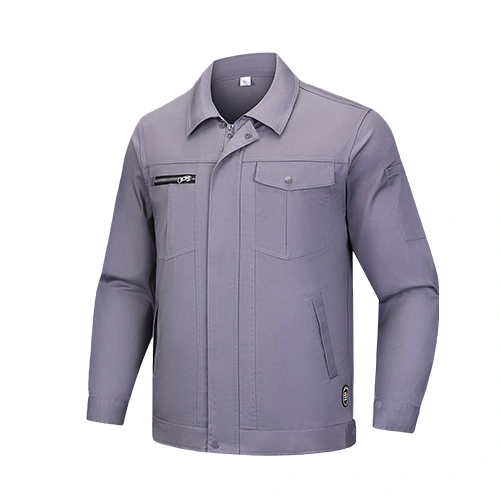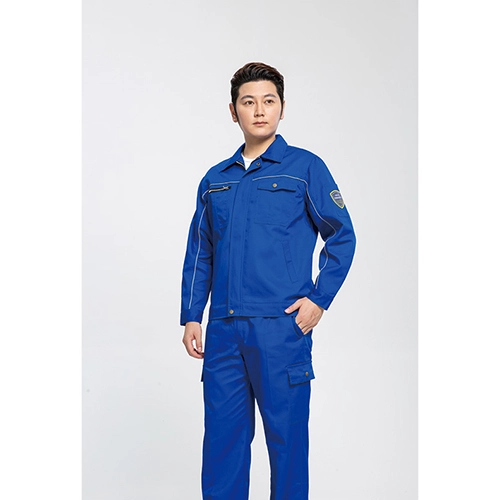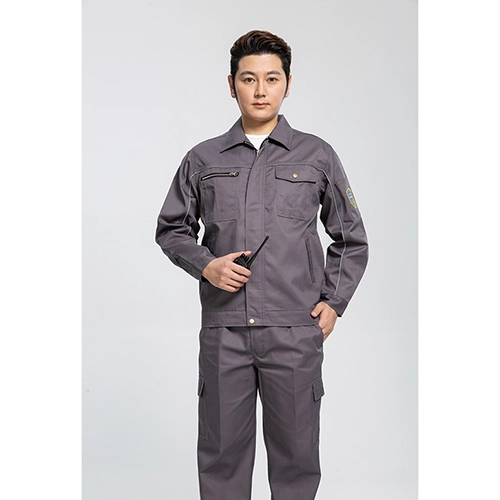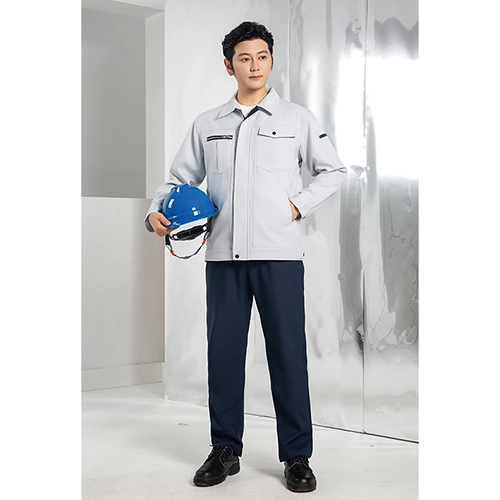
Antistatic workwear should be selected according to measured electrical performance, conductive fabric construction, garment design and the ESD control requirements of the workplace. The following specifications summarize available configurations for our custom antistatic coveralls.
| Technical Property | Available Specification / Reference |
|---|---|
| Electrical Resistance | 106 Ω to 109 Ω* |
| Material Composition | 98% Polyester + 2% Conductive Carbon Fiber* |
| Conductive Pattern | 5 mm Grid / 5 mm Stripe / Project-Specific Fabric |
| Fabric Weight | 120–150 g/m²* |
| Garment Resistance Test Reference | IEC 61340-4-9:2024 or another buyer-specified garment test method |
| ESD Control Program References | Designed for applications where IEC 61340-5-1 or ANSI/ESD S20.20 ESD control programs are implemented |
| Cleanroom / Controlled Environment Use | Application suitability should be confirmed according to the buyer's cleanroom protocol, particle-control requirements, laundering process and required garment test documentation. |
Conductive yarn is integrated into the polyester fabric to create electrical pathways within the garment. Grid and stripe constructions can both be used for antistatic workwear, but final selection should be based on measured performance, garment design and project requirements rather than fabric pattern alone.
Conductive yarns are arranged in both horizontal and vertical directions, creating a grid across the fabric. This construction can provide multiple conductive pathways across the garment surface.
Common consideration: electronics manufacturing, semiconductor assembly and other ESD-controlled operations where stable garment electrical performance is required.
Conductive yarns are arranged primarily in parallel lines. Stripe fabrics may be suitable for general ESD-controlled workplace garments depending on the required resistance, construction and budget.
Common consideration: general controlled manufacturing, laboratories and industrial applications where project-specific electrical requirements have been defined.
Selecting ESD workwear requires more than choosing a conductive fabric. Buyers should confirm electrical performance, garment construction, workplace requirements and technical documentation before approving bulk production.
Confirm the required garment resistance range and applicable test method according to your ESD control program and the sensitivity of the products being handled.
Compare conductive yarn construction, grid or stripe layout, fabric composition, weight and comfort according to working conditions.
Review garment coverage, closures, cuffs, pockets, seams and other construction details according to your facility procedures and operator tasks.
Where particle control is required, evaluate linting, particle shedding, laundering procedures and cleanroom garment protocols separately from electrical resistance.
Confirm color, sizing, branding, quantity, packaging, sample approval requirements and required technical documentation before mass production.
Prepare your application, target resistance, preferred fabric, garment design, quantity, size range and any required test or compliance documents. This helps shorten sample development and specification confirmation.
Different workplaces require different combinations of electrical performance, particle control, garment construction and operational compatibility.
Antistatic coveralls can form part of an ESD control program in facilities handling electrostatic-discharge-sensitive components, including semiconductor assembly, PCB manufacturing, electronics production and component testing.
Where facilities require both ESD control and particle control, garment selection should consider electrical performance together with linting, particle-shedding, laundering and facility-specific cleanroom procedures.
Custom ESD workwear can also be developed for laboratories, equipment assembly, precision manufacturing and other workplaces where control of electrostatic charge is included in operating procedures.
QiaFengShengShi supports custom antistatic workwear projects for industrial distributors, workwear buyers and ESD-controlled facilities. Garment specifications can be developed around your required fabric, construction, sizing, branding and technical documentation.
| Customization Item | Available Options |
|---|---|
| Conductive Fabric | Grid / Stripe / Project-Specific Fabric |
| Garment Color | Standard Colors / Custom Color Development |
| Closure | Zipper / Hook-and-Loop / Project-Specific Design |
| Cuffs | Elastic / ESD Knit / Custom Construction |
| Pockets | Quantity, Position and Functional Layout Customization |
| Branding | Logo, Label and Packaging Customization |
| Sizing | Standard Size Range / Customer Size Chart |
| RFID / Laundry Tracking | Available Subject to Project Requirements |
| Technical Documentation | Technical Data / Test Documentation Subject to Product and Project Availability |
Before mass production, buyers can confirm garment construction, fabric, sizing, branding placement and key technical specifications through the sample approval process.
Bulk orders are produced according to the approved specification. Required electrical testing, inspection scope and supporting documents should be confirmed according to the individual project before production.
Confirming the application and technical requirements before production helps reduce specification changes and keeps bulk ESD workwear projects easier to manage.
Share the workplace, ESD requirements, quantity and required technical documentation.
Confirm conductive fabric, garment construction, closures, cuffs, pockets and sizing.
Review fit, workmanship, branding and agreed technical specifications before bulk production.
Production follows the approved sample and confirmed project specification.
Finished garments are packed according to the agreed requirements and prepared for shipment.
Send us your application, required quantity, garment design, target electrical performance and technical documentation requirements for a project-specific recommendation.
Discuss Your ESD Workwear ProjectOur anti static workwear is specifically engineered for environments where electrostatic discharge (ESD) can cause damage to products or create safety hazards. Key industries include:
Electronics and Semiconductor Manufacturing
Pharmaceutical and Medical Device Production
Automotive and Aerospace Assembly
Biotechnology and Laboratory Settings
Telecommunications and Data Centers
Any cleanroom or ESD-protected area.
Absolutely. As a professional OEM/ODM antistatic coverall manufacturer, customization is our core service. We can embroider your company logo and adjust pocket placements to match your functional requirements perfectly. Need a completely custom ESD solution? See our OEM/ODM Clothing Manufacturing capabilities for large-scale, bespoke technical apparel.
We understand the need for flexibility in supply chains. Our MOQ for custom anti-static workwear is competitive and varies based on the complexity of the customization. We are known for accommodating small batch orders to help our clients test the market or meet specific project needs. Please contact us with your details for a precise MOQ.
We use embedded conductive fibers rather than chemical coatings. This mechanical integration ensures the 10^6-10^9 Ω resistance remains effective for at least 50-80 professional wash cycles under recommended conditions.
Yes, our lint-free polyester fabrics are designed to minimize particle shedding, making them ideal for ISO Class 5 (Class 100) cleanrooms in pharmaceutical and semiconductor industries.
Yes. As a professional ESD workwear manufacturer, our products comply with EN 61340-5-1 and ANSI/ESD S20.20 standards. We provide technical data sheets and fabric test reports with every wholesale order to ensure compliance for cleanroom environments.
Get a Quote Now!