A factory worker uniform should do more than create a consistent appearance. The right uniform must suit the worker's tasks, workplace hazards, climate, movement requirements and daily washing conditions. This guide explains how to select factory worker uniforms by fabric, industry, protective function and purchasing requirements.
Factory Worker Uniforms
Industrial Workwear
Fabric Selection
Protective Work Clothing Quick Answer:
The best factory worker uniform depends on the actual working environment. General manufacturing teams often use durable cotton-polyester workwear, while electronics facilities may require anti-static garments, outdoor and logistics workers may need high-visibility clothing, and welding or heat-related jobs can require flame-resistant protective workwear. Buyers should start with workplace hazards and job functions before deciding on fabric, style or price. |
When companies purchase uniforms for factory workers, it is easy to focus first on colors, logos and unit cost. However, industrial clothing is worn for long shifts and is exposed to repeated movement, abrasion, heat, dust, moisture and frequent laundering. A poor material or garment structure can shorten service life and reduce worker comfort.
A better purchasing process considers the workplace first and the garment second. Companies sourcing a complete factory worker uniform program should evaluate what employees actually do during a shift, which hazards are present and which functions the clothing needs to provide.
What Is a Factory Worker Uniform?
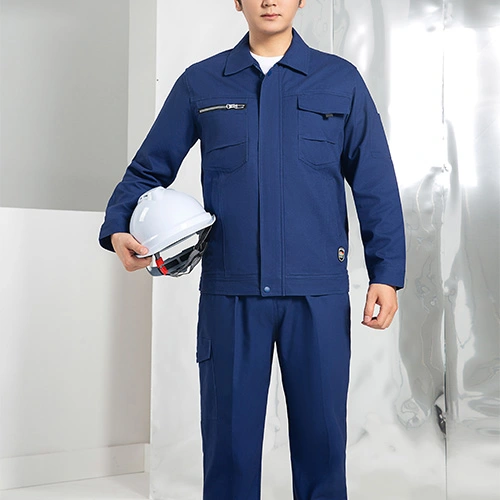
A factory worker uniform is work clothing designed for employees in manufacturing, assembly, processing, warehouse and other industrial environments. Depending on the workplace, it may consist of a work jacket and trousers, coveralls, work shirts, cargo trousers, protective jackets or specialized safety garments.
Not every factory uniform is automatically personal protective equipment. In low-risk production areas, the main purposes may be durability, identification, comfort and corporate branding. In environments involving electrostatic discharge, traffic, heat, flame or other hazards, the garment may need additional protective characteristics appropriate to the risk.
Common Types of Factory Worker Uniforms
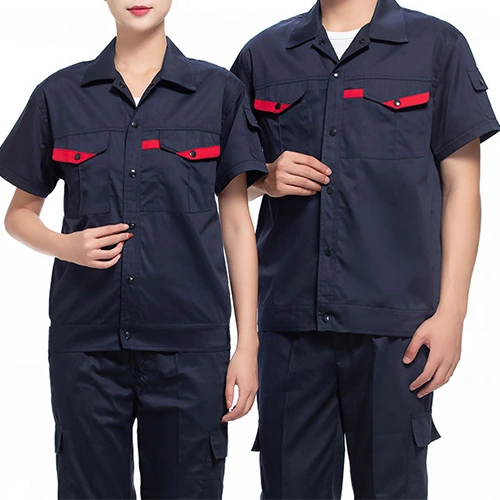
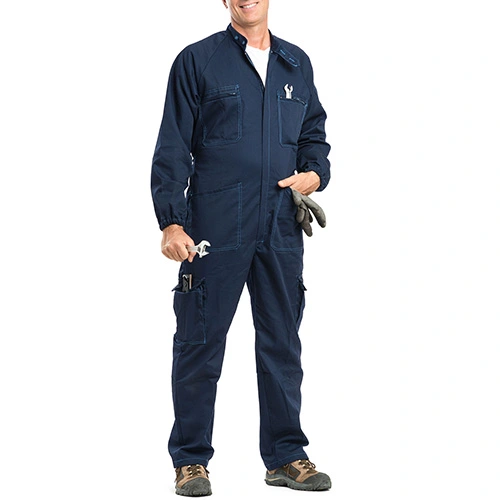
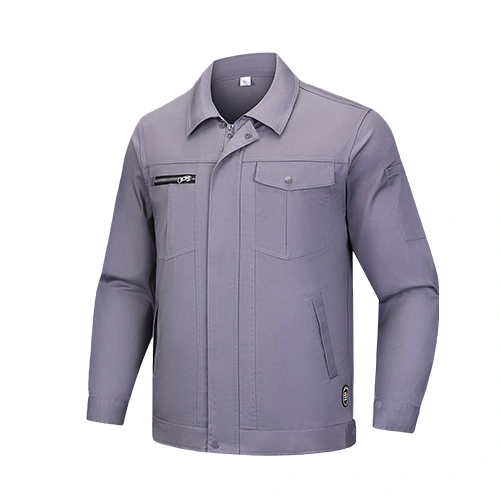
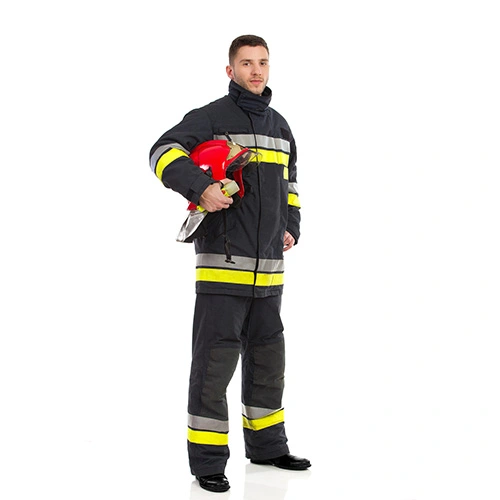
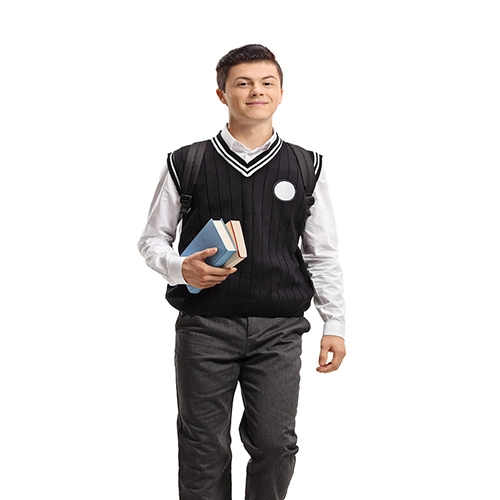
01 Work Jacket & TrousersA practical choice for general manufacturing, machinery, assembly and maintenance teams. Separate garments make sizing, replacement and seasonal layering easier. | 02 Industrial CoverallsOne-piece coveralls provide greater body coverage and are commonly used in maintenance, engineering, workshop and industrial operations. | 03 Anti-Static UniformsElectronics and other static-sensitive workplaces may require conductive fabrics designed to help control electrostatic charge. |
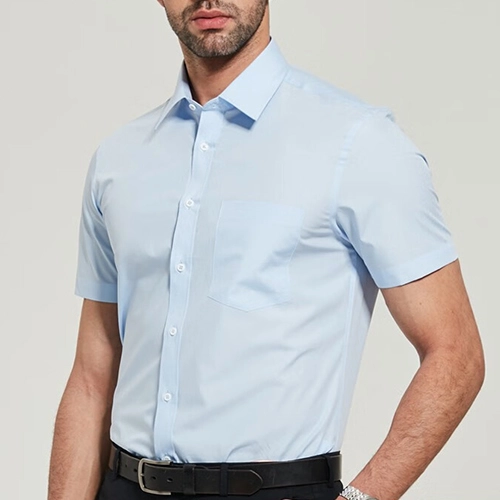
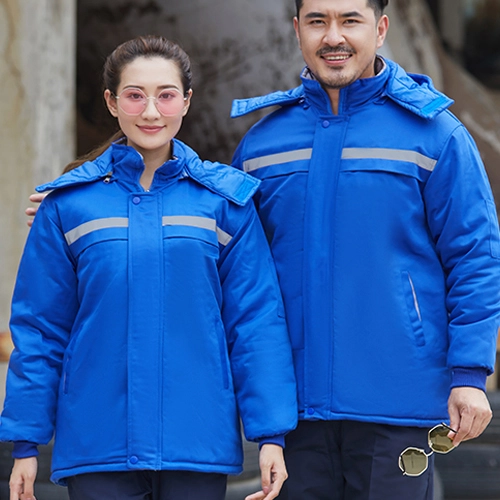
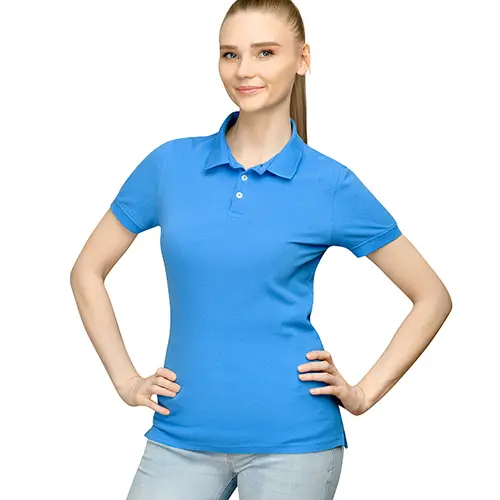
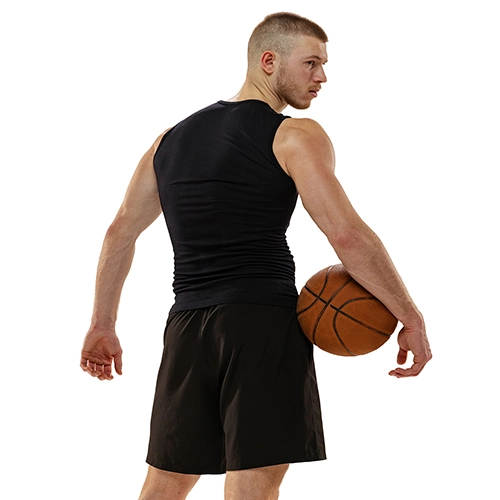
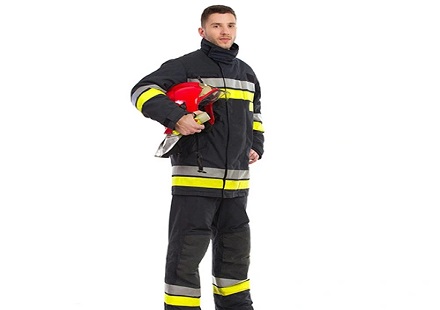
04 High-Visibility WorkwearWorkers operating around forklifts, vehicles, loading areas or low-light environments may require fluorescent fabrics and reflective details. | 05 Flame-Resistant WorkwearWelding, electrical, oil and gas or other heat-related operations may require workwear designed for specific flame or thermal hazards. | 06 Lightweight Factory ClothesBreathable shirts and lightweight trousers can improve comfort in warm indoor facilities and light-duty production environments. |
How to Choose Fabric for Factory Worker Uniforms
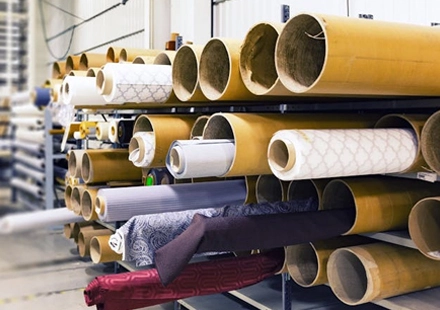
Fabric selection has a major impact on comfort, durability, appearance and total uniform replacement cost. There is no single material that is best for every factory.
| Fabric Type | Typical Use | Main Advantages | Points to Consider |
|---|
| 100% Cotton | General indoor work, warm environments | Soft, breathable and comfortable | May shrink or wrinkle more than blended fabrics |
| Poly-Cotton | Manufacturing, engineering, maintenance | Good balance of comfort, strength and easy care | Blend ratio and GSM should match the working climate |
| Polyester | Logistics, light industry, corporate workwear | Durable, colorfast and quick drying | Breathability depends on fabric construction |
| Anti-Static Fabric | Electronics and static-sensitive environments | Helps manage electrostatic charge | Electrical properties should match the application |
| Flame-Resistant Fabric | Welding, energy and selected hazardous operations | Designed for specific flame or thermal hazards | Required protection should match the identified risk |
|
Fabric Weight Matters Too
A heavier fabric is not automatically a better factory worker uniform. Very heavy garments may improve abrasion resistance but become uncomfortable in hot production areas. Buyers should consider GSM together with fiber composition, weave, breathability, abrasion resistance and washing conditions. |
Choose Factory Worker Clothes by Industry
The easiest way to avoid over-specifying or under-specifying a uniform is to match the garment to the actual work environment.
Electronics & SemiconductorStatic-sensitive components may require dedicated anti-static workwear. Fabric construction, conductive yarn, garment closures and laundering procedures should be considered together. |
|
Machinery & General ManufacturingDurable poly-cotton factory worker clothes are commonly selected for their balance of abrasion resistance, movement and everyday comfort. Reinforced stress areas and practical pockets are especially useful. |
|
Warehouse & LogisticsWorkers operating around moving vehicles may need high-visibility workwear. Breathability and reflective material placement become especially important during long shifts. |
|
Welding & Heat-Related WorkOrdinary work uniforms should not automatically be treated as flame protection. Where a risk assessment identifies flame or thermal exposure, appropriate protective clothing should be selected for the specific hazard. |
Safety Requirements to Consider Before Ordering
Uniform selection should begin with a workplace hazard assessment. Where employees face hazards that require protective clothing, the garment specification should reflect the actual risk rather than relying only on appearance or fabric thickness.
For example, OSHA provides guidance on workplace personal protective equipment and hazard assessment. Buyers sourcing protective workwear for international markets may also encounter standards such as ISO 13688, which covers general requirements for protective clothing including ergonomics, sizing, ageing, compatibility, marking and manufacturer information.
For further reference, buyers can review OSHA Personal Protective Equipment guidance
and information from the International Organization for Standardization.
|
Important Purchasing Principle
Do not select a uniform simply because a supplier mentions a safety standard. Define the workplace hazard first, then verify that the fabric, garment construction, testing and certification are suitable for the intended application. |
Details That Improve Comfort and Service Life
Two factory worker uniforms made from the same fabric can perform very differently in daily use. Garment construction is equally important.
| ✓ Reinforced stitching at stress points | ✓ Enough ease for bending and reaching |
| ✓ Secure pockets for tools and devices | ✓ Adjustable cuffs or waist where needed |
| ✓ Suitable zipper or snap construction | ✓ Breathable fabric for warm environments |
| ✓ Clear size grading for mixed workforces | ✓ Wash-resistant logos and color matching |
For companies managing large workforces, standardized sizing can also reduce replacement problems. Before bulk production, it is useful to confirm the supplier's size chart against the target workforce rather than assuming one regional sizing system will suit every market.
How to Order Custom Factory Worker Uniforms
A clear specification allows a manufacturer to quote more accurately and reduces the number of sample revisions. When purchasing custom factory worker uniforms, provide as much information as possible at the beginning of the project.
| Step | What to Confirm |
|---|
| 1. Work Environment | Industry, employee tasks, climate, indoor or outdoor conditions and identified hazards. |
| 2. Garment Design | Jacket, trousers, coverall or shirt style, pocket design, closures and functional details. |
| 3. Fabric | Fiber composition, GSM, color, protective properties and expected laundering conditions. |
| 4. Branding | Logo artwork, embroidery or printing method, Pantone colors and label requirements. |
| 5. Sizing | Size standard, size range and estimated quantity required for each size. |
| 6. Sample Approval | Check dimensions, fabric, movement, logo quality, pocket positions, closures and workmanship. |
| 7. Bulk Quality Control | Confirm tolerances, workmanship requirements, packaging and final inspection procedures. |
Factory Worker Uniform Buyer Checklist
Before sending an RFQ to a factory worker uniform manufacturer or supplier, prepare the following information:
✓ Industry and employee job functions
✓ Required factory worker uniform style
✓ Target fabric or performance requirements
✓ Estimated order quantity
✓ Size range and size breakdown
✓ Corporate colors or Pantone references
✓ Logo artwork and application method
✓ Required protective performance or standards
✓ Sample requirements
✓ Delivery destination and target date |
Providing these details makes it easier for a factory worker uniform supplier to recommend suitable materials instead of quoting a generic product that may not match the actual working environment.
Looking for Custom Factory Worker Uniforms?QFSH provides custom workwear solutions for industrial applications, including fabric selection, colors, sizing, logo customization and functional garment design. Request a Quote |
Factory Worker Uniform FAQs
What is the best material for factory worker uniforms?
There is no single best material for every factory. Cotton and poly-cotton fabrics are widely used for general industrial work because they provide a useful balance of comfort and durability. Electronics, welding and outdoor environments may require anti-static, flame-resistant or high-visibility materials instead.
Are factory worker uniforms considered PPE?
Not always. A standard uniform used mainly for identification or everyday work may not be PPE. When clothing is specifically selected to protect against a workplace hazard, it may form part of the employer's PPE program.
What is the difference between factory uniforms and protective workwear?
General factory uniforms focus on comfort, durability, function and employee identification. Protective workwear is designed to provide specified protection against hazards such as flame, heat, electrostatic discharge or reduced visibility. Some industrial uniforms combine both functions.
Should factory worker clothes be heavy or lightweight?
The correct fabric weight depends on climate, work intensity, abrasion and required protection. Heavy materials may offer better durability in demanding environments, while lighter fabrics can improve comfort in warm indoor facilities.
What information should I provide to a factory worker uniform manufacturer?
Provide the industry, employee tasks, garment style, fabric requirements, color, logo, size range, quantity, required protective performance, sample requirements and target delivery date. A detailed RFQ helps the manufacturer provide a more accurate quotation.
Can one factory worker uniform be used for every department?
Usually not. Different departments may face different temperatures, movement requirements and safety risks. A company can maintain one visual identity while adjusting fabrics, reflective details, anti-static properties or protective features for different employee groups.
|
Final Selection Tip The right factory worker uniform is not simply the cheapest or heaviest option. Start with the work environment and employee tasks, identify necessary protection, then compare fabric, garment construction, sizing, customization and supplier quality control before placing a bulk order. |