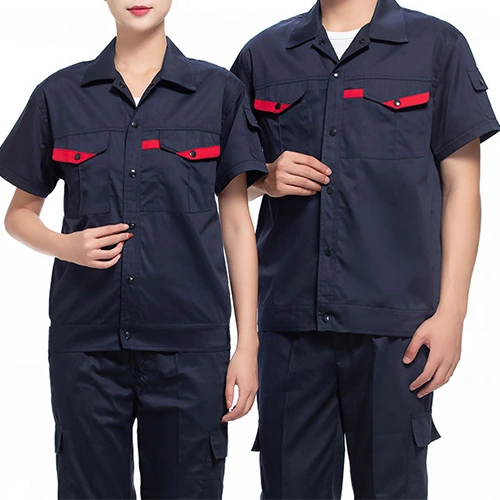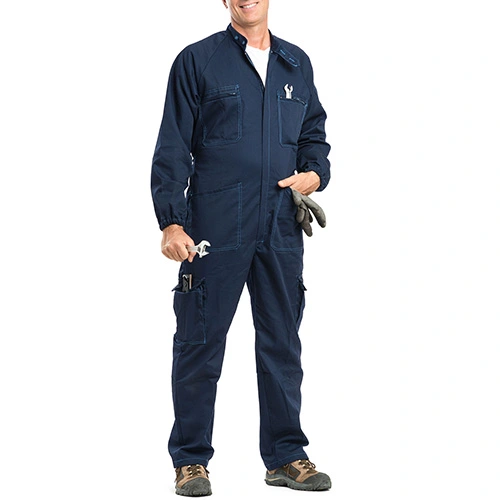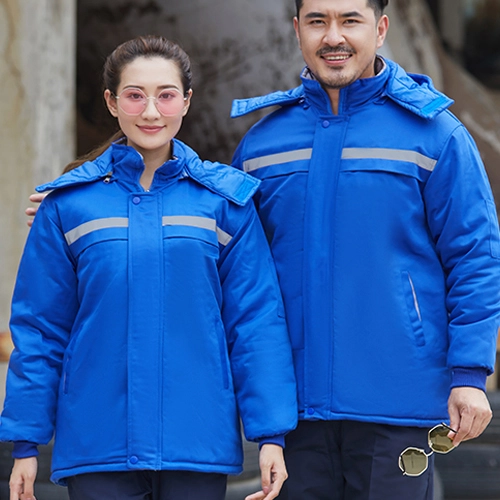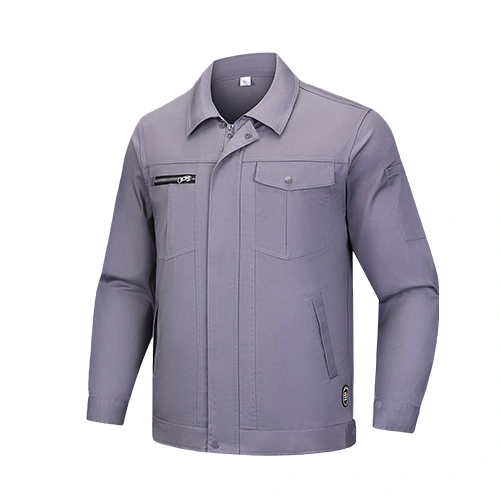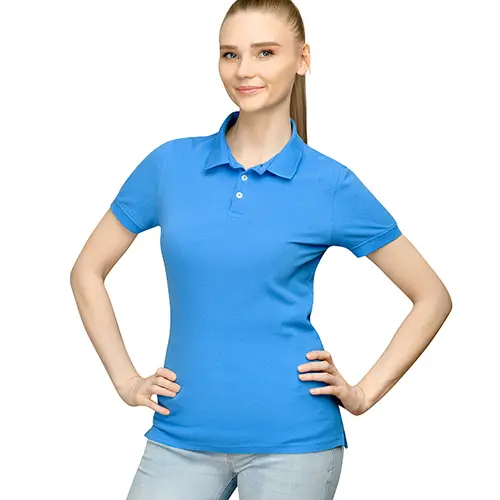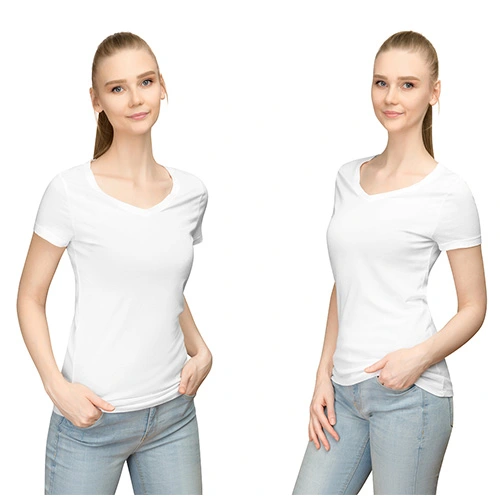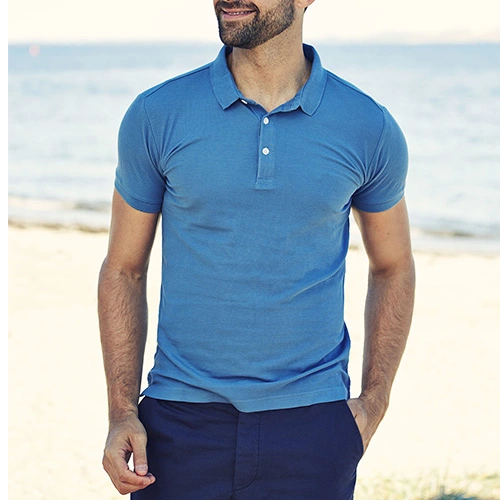
Custom company T-shirts can be developed according to corporate branding, staff requirements and bulk order specifications. Buyers can define the fabric, fabric weight, colors, logo method, sizing, labels and packaging before sample approval and production.
| Specification | Available Options / Capability | Buyer Considerations |
|---|---|---|
| Material | Cotton, polyester and cotton-polyester blends | Select according to comfort, durability, washing frequency and corporate wearing conditions. |
| Fabric Structure | Baby pique, single jersey, birdseye mesh and project-specific fabrics | Different structures provide different levels of breathability, appearance and wearing comfort. |
| Fabric Weight | Approx. 140–220 GSM | Lightweight fabrics suit warmer environments, while higher GSM options can provide a more structured uniform appearance. |
| Color | Standard colors or custom Pantone color matching | For long-term corporate uniform programs, approved color references should be retained for future repeat orders. |
| Logo & Branding | Screen printing, DTG, heat transfer, embroidery, sublimation and patches | The appropriate logo method depends on artwork complexity, fabric type, order quantity and required appearance. |
| Size & Fit | Standard grading or custom US, EU and Asian size specifications | Corporate buyers should confirm employee size breakdowns before production to reduce excess stock and size shortages. |
| Labels | Main label, size label, care label, woven label and private-label options | Label content can be customized according to company branding and destination-market requirements. |
| Packaging | Standard export packing or customized branded packaging | Packaging can be configured for employee distribution, wholesalers or private-label programs. |
| Production Capacity | Up to approximately 60,000 pcs per month | Actual capacity depends on fabric availability, design complexity, logo process and current production schedule. |
| Bulk Production Lead Time | Approx. 30 days for a 40,000-piece order | Lead time should be confirmed after final specifications, sample approval, quantity and production schedule are determined. |
For a more accurate production evaluation, provide your preferred fabric, GSM, Pantone color, logo artwork, size breakdown, estimated quantity and packaging requirements. If the shirts will be reordered for new employees or additional locations, it is also recommended to keep the approved fabric, color, logo and size specifications consistent for future production.
Custom company T-shirts should support more than logo placement. For corporate uniform programs, the key considerations are consistent brand presentation, practical sizing, reliable bulk production and the ability to reproduce approved specifications for future orders.
Company colors, logo position, logo size and garment details can be confirmed before bulk production, helping different departments, stores or locations maintain a consistent visual identity.
Orders can be produced according to a confirmed size breakdown instead of a fixed quantity per size, making it easier to prepare uniforms for real employee groups and different regional size requirements.
Custom company T-shirt projects can be planned for larger staff programs, multi-location businesses, uniform distributors and other bulk requirements based on approved production specifications.
Approved color references, logo specifications, fabric details and size charts can be retained as project references, helping simplify future replenishment for new employees, additional stores or expanding teams.
For companies that expect future staff changes or repeat purchases, it is recommended to finalize and retain the approved fabric specification, Pantone color, logo artwork, placement details and size chart. This creates a clearer reference for future production and helps maintain brand consistency across multiple orders.
Company uniform T-shirts and promotional T-shirts may look similar, but they are usually purchased for different purposes. Long-term employee uniforms require greater attention to durability, sizing consistency, brand colors and repeat-order specifications, while promotional shirts are often developed for short-term campaigns, events or giveaways.
| Comparison | Company Uniform T-Shirt | Promotional T-Shirt |
|---|---|---|
| Main Purpose | Daily staff wear and long-term corporate uniform programs | Events, campaigns, exhibitions and promotional distribution |
| Wearing Frequency | Frequent or repeated use | Occasional or project-based use |
| Fabric Priority | Comfort, durability, appearance and repeatability | Cost efficiency and visual impact |
| Branding | Consistent company logo, color and placement across departments or locations | Campaign-specific artwork, slogans or temporary branding |
| Size Planning | Based on actual employee size distribution | Often based on estimated general size ratios |
| Repeat Orders | Common for new employees, replacement stock and business expansion | Usually linked to a specific campaign or event |
For long-term employee uniforms, buyers should consider not only unit price but also fabric consistency, logo durability, size planning and the ability to reproduce approved specifications for future orders.
The most suitable logo method depends on fabric type, artwork complexity, order quantity, desired appearance and expected wearing frequency. Buyers should confirm the branding method during sampling before moving into bulk production.
| Logo Method | Best For | Main Advantage | Buyer Consideration |
|---|---|---|---|
| Screen Printing | Large bulk orders and repeated logo designs | Efficient for larger quantities and simple multi-color graphics | Best evaluated according to logo colors and fabric type |
| Embroidery | Corporate uniforms and premium staff apparel | Professional and dimensional appearance | Stitch density and logo size should suit the selected fabric |
| Heat Transfer | Detailed artwork and flexible branding programs | Supports fine graphics and varied logo designs | Transfer material should be matched to the fabric and wearing conditions |
| DTG | Complex or multi-color artwork | Suitable for detailed image reproduction | Fabric composition and order requirements should be confirmed before production |
| Sublimation | Suitable polyester-based projects and full-color graphics | Allows integrated color graphics without a heavy surface print | Generally more suitable for specific polyester constructions |
Bulk company T-shirt orders are easier to manage when employee quantity, size distribution and future replenishment requirements are confirmed before production. A clear order plan can help reduce size shortages, excessive stock and inconsistencies between departments.
Count employees by department, store, location or team instead of estimating only the total order quantity.
Prepare quantities for each required size based on actual staff data rather than dividing the order evenly across sizes.
Consider extra quantities for new employees, size exchanges, garment replacement or short-notice requirements.
Confirm the final fabric, color reference, logo artwork, placement and size chart before approving bulk production.
If the company expects staff growth or replacement orders, retain the approved specifications as the reference for future production.
For multi-location businesses, it can also be useful to prepare separate size breakdowns by branch or region so distribution is easier after delivery.
Company uniforms are often reordered when new employees join, stores expand or existing garments need replacement. Keeping approved production references helps reduce variation between the original order and future batches.
Keep the approved Pantone reference or confirmed fabric swatch for future color matching.
Record the approved logo artwork, dimensions, position, colors and application method.
Retain the approved fabric composition, construction and GSM as the production reference.
Keep the final approved measurement chart to reduce fitting differences between production batches.
When requesting a quotation, let us know whether the project is a one-time order or part of an ongoing employee uniform program. This allows approved product specifications to be organized more clearly for future replenishment and company expansion.
Different corporate apparel programs require different levels of formality, garment structure and branding. Custom company T-shirts are suitable for everyday employee uniforms and branded staff programs, while polo shirts and business T-shirts can better match more structured or business-casual dress requirements.
Best suited for everyday employee uniforms, retail teams, internal company programs, staff onboarding and branded corporate apparel where comfort and flexible logo customization are important.
Best for: daily staff wear, bulk employee uniforms and long-term company branding programs.
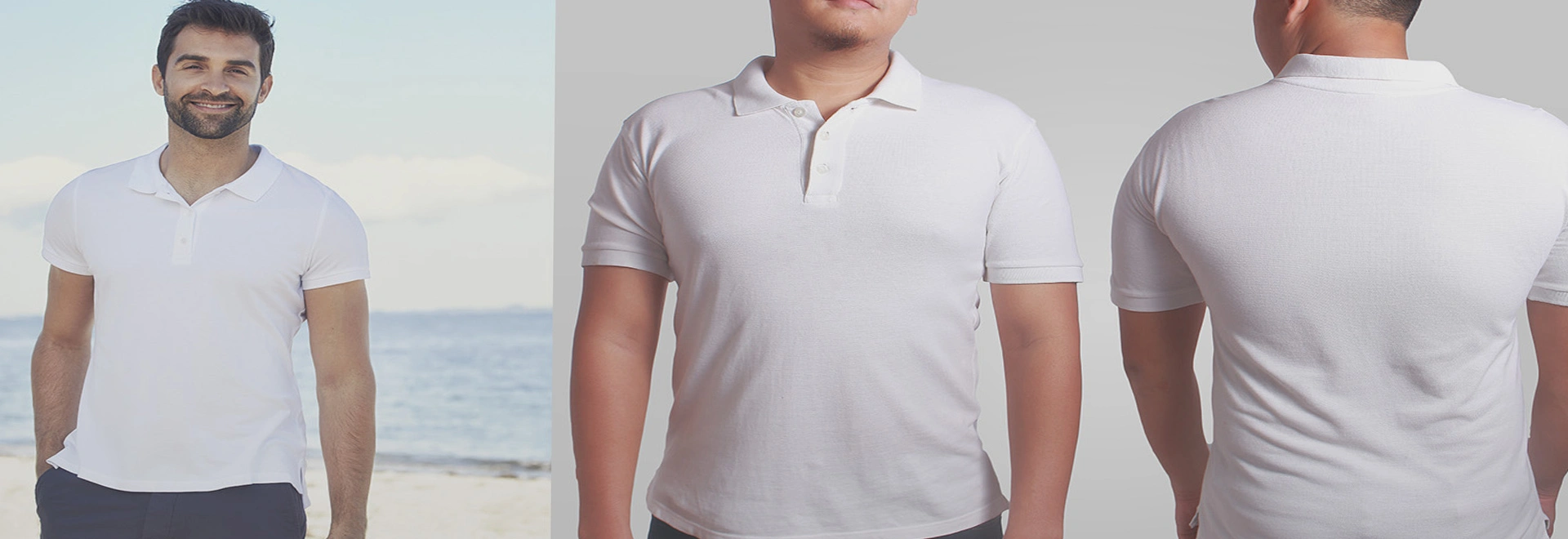
Choose a polo shirt when your team needs a more structured collared appearance while maintaining the comfort and practicality of a short-sleeve corporate uniform.
Best for: customer-facing staff, sales teams, retail stores, service teams and corporate uniforms with a more professional appearance.
Explore Custom Company Polo ShirtsBusiness T-shirts are more suitable for business-casual office environments where the garment should coordinate with chinos, trousers, jackets or other professional workplace clothing.
Best for: office teams, business-casual workplaces and companies that want a cleaner, more refined staff appearance.
Explore Custom Business T-ShirtsChoose company T-shirts for flexible everyday staff uniforms, company polo shirts when a collared and more structured appearance is preferred, and business T-shirts for business-casual office environments that require a more refined workplace look.
Get a Quote Now!