Email Us
Harry@qfshsh.com



2026-08-07
Learn More
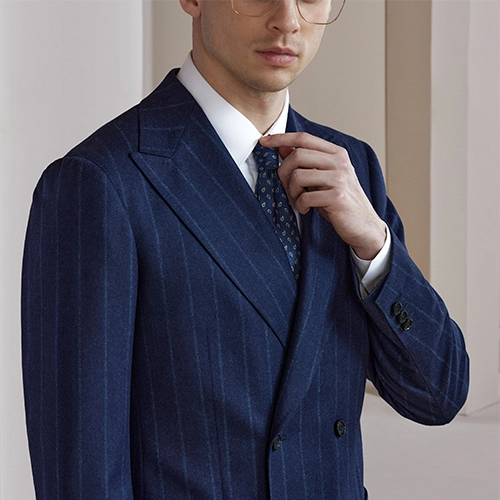
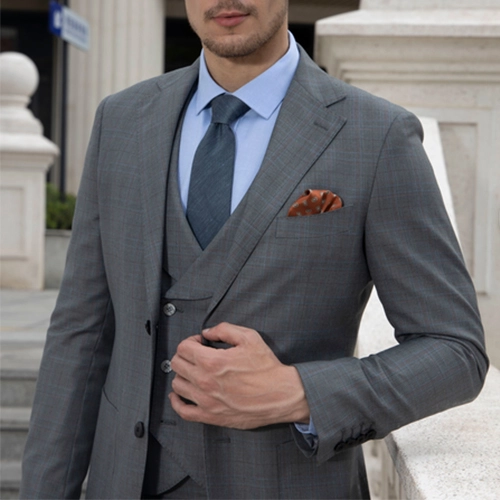
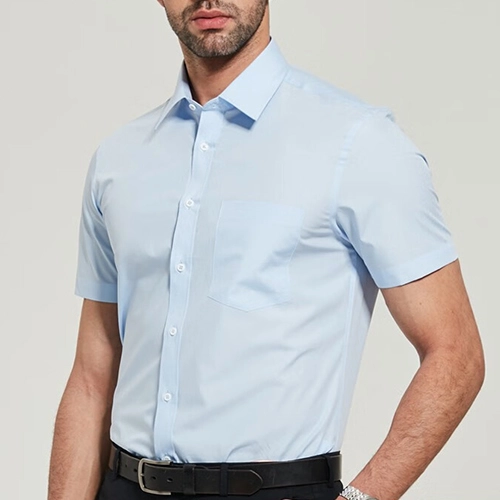

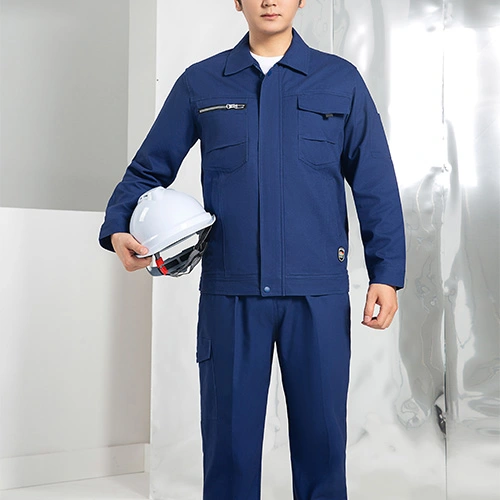
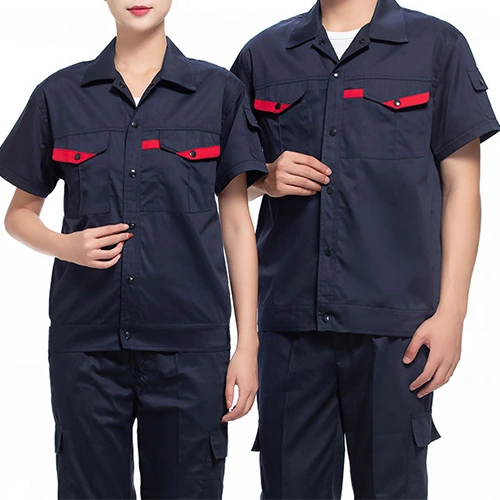
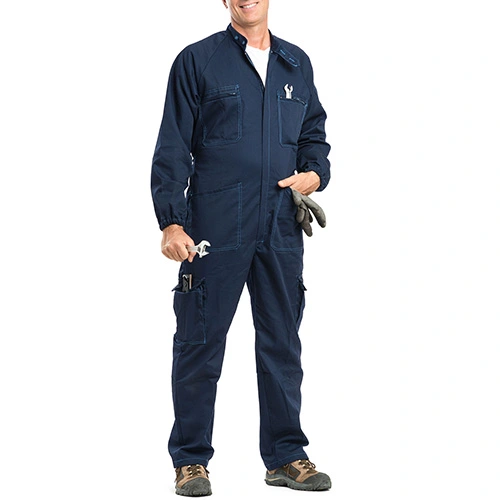
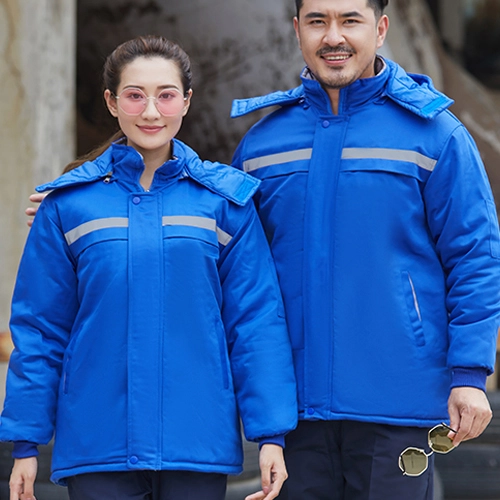
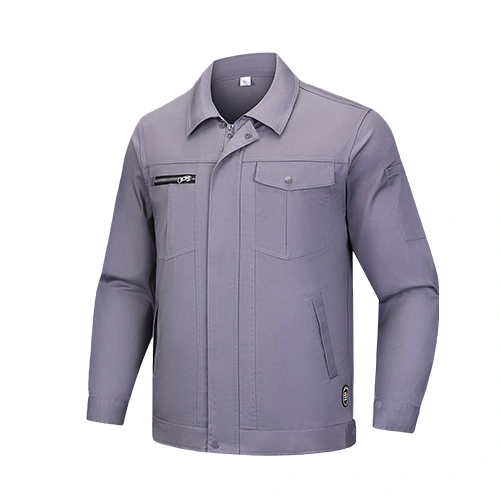

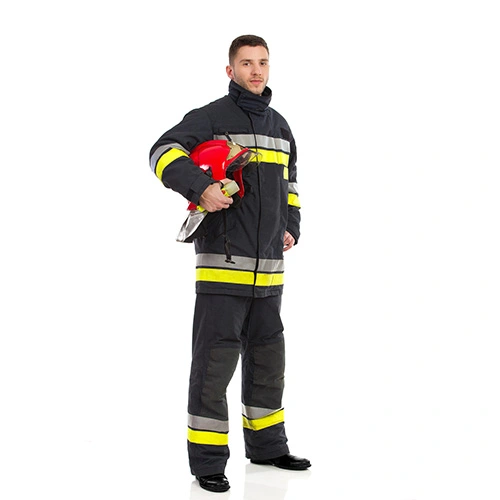

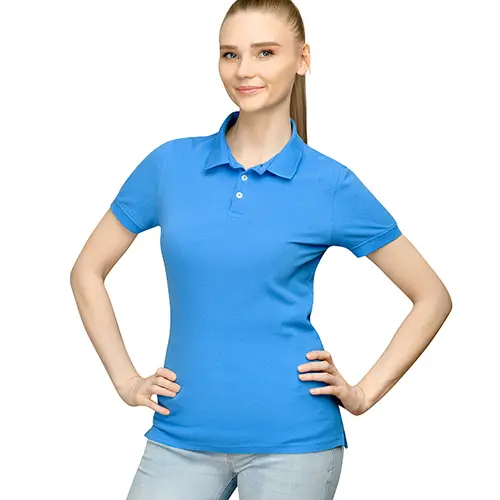

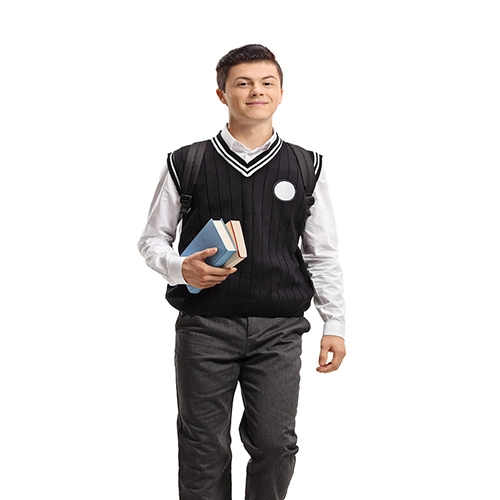
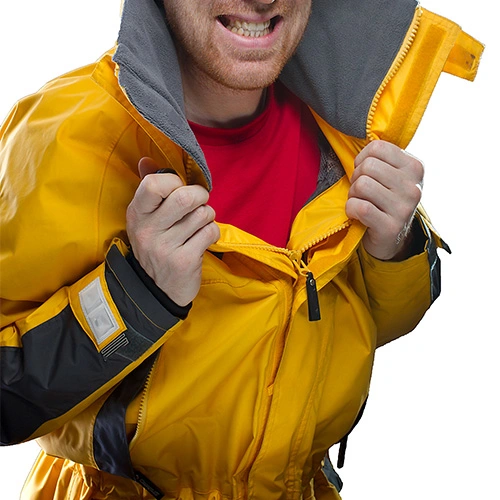

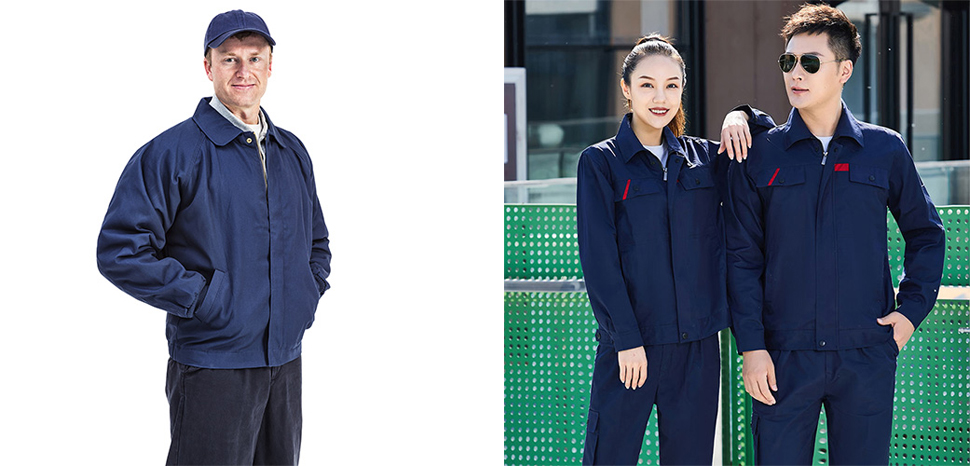
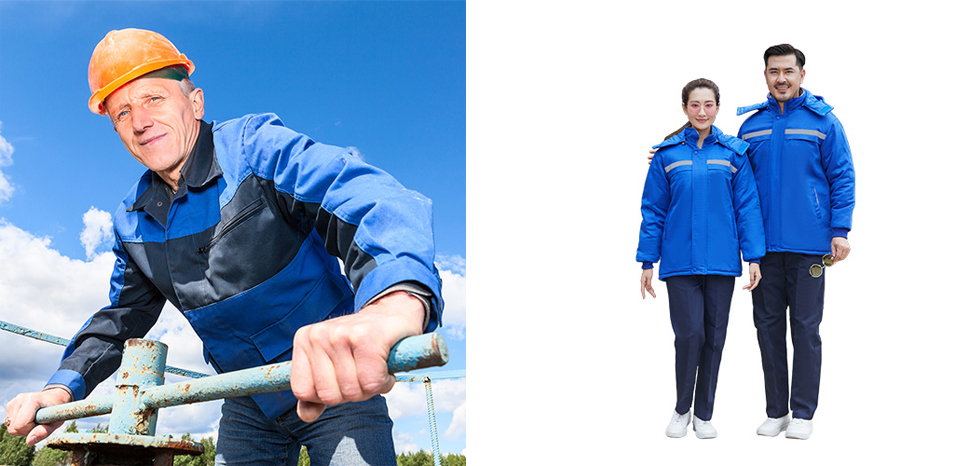
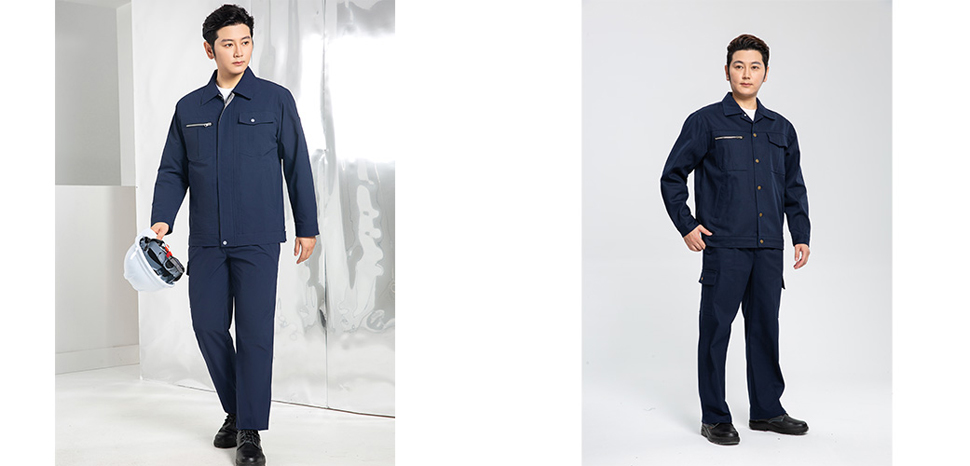
QiaFengShengShi manufactures custom factory worker uniforms for manufacturing plants, assembly lines, warehouses, workshops and other industrial workplaces. Uniform programs can be customized by staff role, working environment and company requirements, providing reliable industrial worker uniform solutions with options for fabric, garment style, colors, pockets, sizing, logo branding and packaging.
For workplaces requiring specialized protection, we can also support dedicated anti-static, high-visibility or flame-resistant workwear configurations according to the applicable product specifications and testing requirements.
We select materials based on your specific operational requirements:
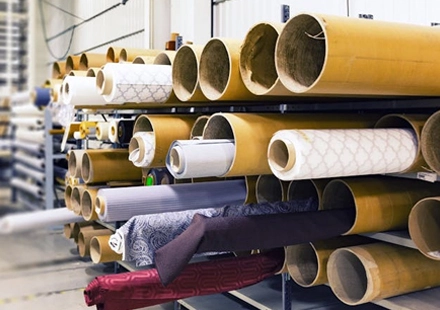
Heavy-Duty Poly-Cotton Blends (65/35 or 50/50): Ideal for general factory worker attire, offering exceptional tear strength (minimum 80 lbs), abrasion resistance, and breathability. Perfect for assembly lines, warehouses, and mechanical workshops.
Flame-Resistant (FR) Fabrics: Certified fabrics meeting NFPA 70E, EN ISO 11611/11612 standards for welding, electrical, and high-heat applications. Available in inherent FR cotton or treated blends for your specialized factory worker uniforms.
Anti-Static/ESD Fabrics: Essential for electronics manufacturing, cleanrooms, and explosive atmospheres. Surface resistance of 10^6-10^9 ohms to protect sensitive components in your factory staff uniform program.
High-Visibility Materials: ANSI/ISEA 107-2020 certified fluorescent fabrics with retroreflective tape for low-light conditions. Available in Class 2 and 3 for different risk levels in your factory worker clothes.
| Fabric Type | Best For | Key Specifications |
| Poly-Cotton Blend | General Manufacturing | 65/35 Ratio, 240-300 GSM, Tear Strength 80lbs+ |
| Flame-Resistant (FR) | Welding & Heat Work | Meets NFPA 2112 & EN ISO 11612 |
| ESD / Anti-Static | Electronics Assembly | Surface Resistance 10^6-10^9 ohms |
| High-Visibility | Low-light / Outdoor | ANSI/ISEA 107-2020 Class 2/3 |
Our manufacturing factory worker uniform designs and factory worker dress solutions incorporate practical features developed through 15+ years of industry feedback:
Ergonomic Pattern Cutting: Pre-shaped sleeves, gusseted underarms, and articulated knees for unrestricted movement
Reinforced Stress Points: Double-stitched or bar-tacked seams at shoulders, pockets, and crotch areas
Practical Pocket Configurations: Tool pockets, pen slots, mobile phone pockets, and ID badge holders integrated into factory worker attire
Reflective Elements: Strategically placed 3M™ Scotchlite™ reflective tape for 360° visibility
Quick-Dry Technology: Moisture management fabrics that wick sweat away from the body
Full Customization: From Fabric to Logo. Explore our full OEM/ODM apparel services for bespoke branding requirements.
Transform basic factory worker clothing into powerful branding tools through customized factory workers uniform solutions:
Fabric Selection: Choose from 50+ material options including twills, canvases, drills, and technical fabrics
Color Matching: Pantone®-accurate color reproduction for corporate branding in your factory staff uniform
Branding Application Options:
Embroidery (up to 12,000 stitches per logo)
Screen printing (1-6 color process)
Heat transfer (full-color complex designs)
Woven labels (care instructions, size tags)
Personalization: Employee names, department codes, job titles, and safety certifications on factory worker uniforms
Design Services: Our design team can create custom patterns from scratch for unique manufacturing factory worker uniform requirements
Accommodating all body types in your factory worker attire and industrial factory uniform programs:
Standard Sizing: Asian, European, and American size charts available
Tailored Fit Options: Slim, regular, relaxed, and oversized cuts
Special Sizes: XXXL to 6XL, petite sizes, and tall sizes available
Measurement Services: Digital size templates or physical measurement teams for perfect-fitting factory worker clothing
Consultation: Understanding your specific factory worker uniform requirements, workplace standards, and factory worker dress code expectations.
Technical Design: Creating pattern pieces and construction specifications
Prototype Development: Producing 1-3 sample garments for approval
Fit Testing: Multiple fitting sessions to ensure optimal factory staff uniform comfort and functionality
Direct partnerships with 20+ certified fabric mills
Incoming material inspection (weight, width, color consistency)
Laboratory testing for shrinkage, colorfastness, and tensile strength
Batch certification for specialized factory worker clothing fabrics
Computerized cutting for ±1mm accuracy in manufacturing factory worker uniform production
Specialized industrial sewing machines for different fabric types
Quality checkpoints at 5 stages: cutting, sewing, assembling, finishing, packaging
Average seam strength: 40N minimum for factory worker attire
100% final inspection of all factory worker suit
AQL 2.5 (Acceptable Quality Level) standard implementation
Professional folding, polybagging, and carton packaging
Custom packaging options with company branding
Factory worker uniforms should be selected according to the working environment, employee tasks and any specific workplace hazards. General manufacturing teams may only need durable and practical uniforms, while ESD, heat, flame or low-visibility environments may require specialized protective workwear. Choosing the right factory worker outfit ensures both safety compliance and operational efficiency across different industrial settings.
Suitable for assembly lines, machinery operations, production workshops and general factory environments where durability, comfort and practical garment design are the main requirements.
Common options include work jackets, trousers, shirts and coordinated custom workwear with reinforced areas, practical pockets and company branding.
Electronics assembly, component handling and other ESD-controlled workplaces may require garments with defined electrical performance in addition to normal factory uniform requirements.
For these applications, select dedicated antistatic coveralls according to the facility's ESD control program, garment construction and required test specifications.
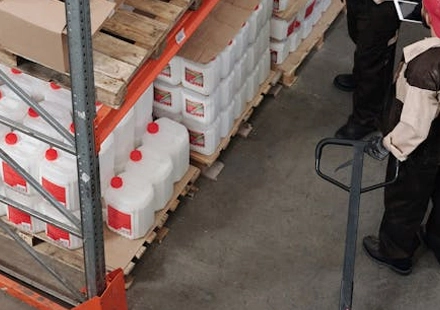
Warehouse operators, packing teams and logistics staff typically need breathable fabrics, unrestricted movement and practical pockets for everyday handling and material movement tasks.
Garment weight, pocket layout, sleeve length and visibility details can be adjusted according to indoor or outdoor working conditions and shift requirements.
Tasks involving heat, sparks or flame hazards should not rely on standard factory uniforms alone. Specialized protective clothing should be selected according to the workplace risk assessment and applicable garment performance requirements.
Where flame protection is required, consider dedicated fire resistant coveralls with the required fabric and protective specifications.
Workers operating near vehicles, forklifts, loading areas, outdoor machinery or low-visibility environments may require enhanced visibility depending on the workplace risk assessment.
For these applications, high visibility workwear can provide fluorescent and reflective elements selected according to the required visibility level and working conditions.
Start with the actual workplace rather than choosing a uniform only by appearance. Consider employee tasks, temperature, movement, laundering frequency and any ESD, heat, flame or visibility hazards.
Standard factory worker uniforms are suitable for general identification, comfort and daily work, while specialized hazards may require purpose-designed protective workwear.
A standard factory uniform is primarily designed for employee identification, comfort, durability and everyday workplace use. It should not automatically be treated as certified personal protective equipment (PPE). Where employees are exposed to ESD-sensitive components, flame or heat hazards, moving vehicles or other occupational risks, specialized protective workwear should be selected according to the workplace risk assessment, applicable product standard and required test performance.
Electronics manufacturing, semiconductor assembly and component-handling environments may require garments with defined electrical performance as part of the facility's ESD control program. Standard factory clothing should not be assumed to provide this function.
For these applications, consider dedicated antistatic coveralls with the required conductive fabric, garment construction and electrical test specifications.
Welding, metal processing and other tasks involving flame, sparks or thermal exposure may require specialized flame-resistant clothing. The required garment should be selected according to the actual hazard, fabric performance and applicable protective-clothing standard.
Where flame protection is required, review dedicated fire resistant coveralls rather than relying on a standard factory uniform.
Workers operating near forklifts, loading zones, road traffic, mobile machinery or low-light areas may require garments designed to improve worker visibility. The required visibility level depends on the workplace environment and risk assessment.
For these environments, select purpose-designed high visibility workwear with the appropriate fluorescent and reflective configuration.
The right factory worker uniforms should match the actual working environment, employee tasks and workplace requirements. Before placing a bulk order, consider fabric performance, garment functionality, staff sizing and whether specialized protective workwear is required.
Start with where employees actually work. Indoor factories, warehouses, mechanical workshops and outdoor production areas may require different fabric weights, sleeve designs, garment structures and seasonal configurations.
Determine whether employees only need standard factory uniforms or specialized protective clothing. ESD-sensitive electronics, flame or heat exposure, moving vehicles and low-visibility areas may require dedicated protective workwear with defined performance requirements.
Choose fabric composition and weight according to workplace temperature, physical workload and laundering frequency. Lightweight fabrics may be more suitable for warm environments, while heavier twill or reinforced materials may suit demanding workshop applications.
Match garment details to employee tasks. Consider pocket quantity and placement, cuffs, closures, reinforced areas, reflective details and freedom of movement so the uniform supports daily work rather than restricting it.
For larger teams, confirm men's and women's sizing, size distribution and any special fit requirements before production. Company colors, logo placement, department identification and labels should also be approved before the bulk order begins.
Prepare your required quantity, employee roles, working environment, preferred garment styles, fabric requirements, size distribution and logo files. If specialized protection is required, also specify the relevant hazard and technical or testing requirements.
We manufacture a wide range of custom factory worker uniforms, including work jackets, shirts, trousers, coveralls and coordinated workwear sets. Garment styles can be developed for general manufacturing, warehouses, assembly lines, maintenance teams and other industrial workplaces. Where specialized protection is required, anti-static, flame-resistant or high-visibility options can also be discussed according to the project requirements.
The best fabric depends on the working environment, climate, employee activity and required durability. Poly-cotton twill is commonly used for general factory uniforms because it balances comfort, strength and easy maintenance. Lightweight fabrics may be more suitable for warm workplaces, while heavier twill or reinforced fabrics can be considered for demanding workshop conditions. Specialized technical fabrics should be selected separately when ESD, flame or visibility performance is required.
Yes. We can support custom workwear projects requiring anti-static, flame-resistant or high-visibility configurations. These products should be selected according to the actual workplace hazard, required performance level and applicable testing or product standards. Buyers should provide any technical specifications, test requirements or compliance documents needed for the project before sample development and bulk production.
Yes. Factory uniforms can be customized with company colors, embroidery, printing, patches, woven labels and other branding details. Garment styles, pocket layouts, closures, reflective details, labels and packaging can also be adjusted according to your corporate identity and employee requirements. For larger uniform programs, different departments can use coordinated colors or identification details while maintaining a consistent overall appearance.
Yes. Sample development allows buyers to review the garment style, fabric, sizing, fit, logo placement, color and workmanship before mass production. Any required adjustments can be confirmed during the sample approval stage so that the final bulk order follows the agreed specifications as closely as possible.
To prepare an accurate quotation, please provide the required quantity, garment type, intended working environment, preferred fabric, colors, size range or size chart, logo files and any required customization. If the uniforms require anti-static, flame-resistant, high-visibility or other protective performance, please also provide the relevant technical requirements, test standards or compliance documentation. Your expected delivery schedule and packaging requirements are also helpful for evaluating the project.

Get a Quote Now!