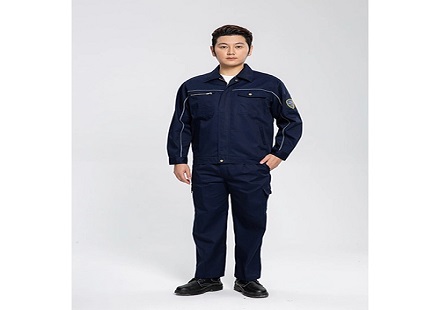
In modern industrial production, electrostatic discharge may pose a serious threat to precision equipment, electronic components, and even personal safety. Therefore, choosing the right anti-static overalls has become a crucial part of various production environments. So, how to scientifically and reasonably choose anti-static overalls? The following provides a comprehensive analysis from multiple perspectives.
Clarify Protection Needs
Type of Environment
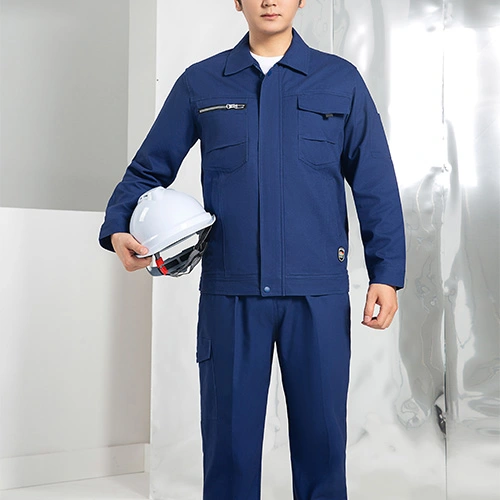
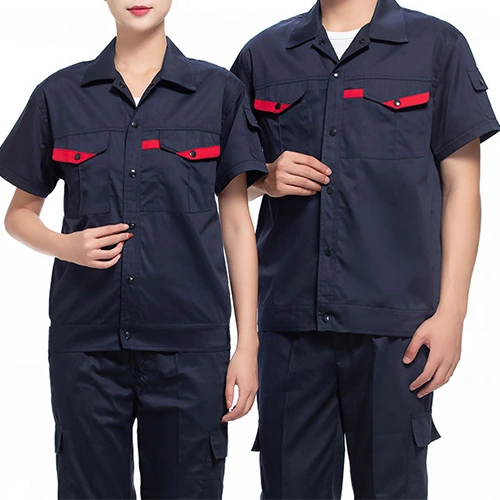
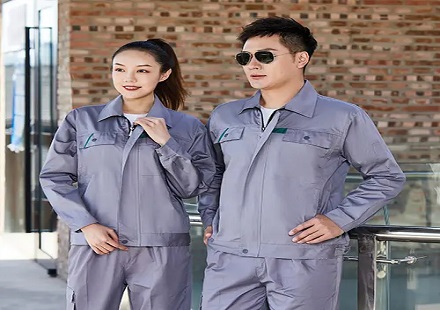
General anti-static environment (such as electronic assembly, precision instruments): Choose basic anti-static overalls (surface resistance is usually 10⁶~10⁹Ω), generally mostly two-piece, and lightweight anti-static coveralls can be chosen for some positions.
High-risk electrostatic-sensitive environment (such as semiconductor, flammable and explosive places): Higher standard anti-static overalls (surface resistance 10⁵~10⁸Ω) is required, and it even needs to comply with ESD (Electrostatic Discharge) protection standards (such as IEC 61340-5-1). For such positions, it is recommended to use anti-static overalls with better enclosure.
Cleanroom environment: Anti-static and dust-free performance are required, typically using antistatic overalls made of materials that do not shed fibers, effectively reducing particulate pollution and ensuring anti-static protection.
Industry Standards
Confirm whether it meets specific industry standards, such as:
China: GB 12014-2019 "Anti-static Overalls"
International: ANSI/ESD S20.20, EN 1149 (anti-static performance)
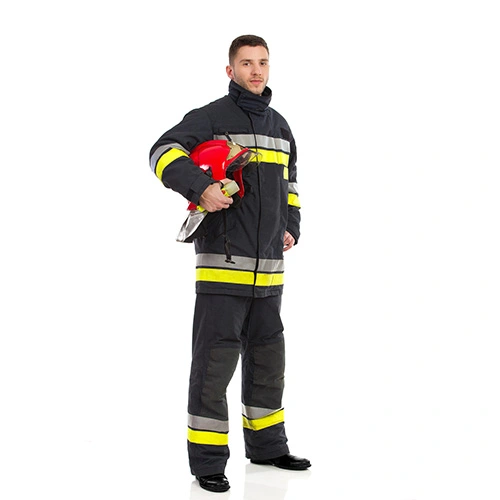
Special industries: Petrochemicals require compliance with anti-static + flame retardant requirements (such as GB 8965.1-2020).
Choose the Appropriate Material
Common Fabrics
Polyester + conductive fibers: Good breathability, suitable for the general electronics industry, commonly used for anti-static coveralls and two-piece suits.
Carbon fiber blends: More stable conductivity, suitable for high-sensitivity environments.
Dust-free materials (such as polyester filament): Used in cleanrooms, suitable for making high-grade anti-static coveralls to reduce particle shedding.
Cotton anti-static overalls: Good moisture absorption, but requires the addition of conductive threads (durability may be relatively poor).
Key Parameters
Surface resistance: 10⁶~10⁹Ω (tested as per standards).
Charge decay time: The shorter, the better (e.g., <2 seconds).
Style Design
Two-Piece vs Coveralls
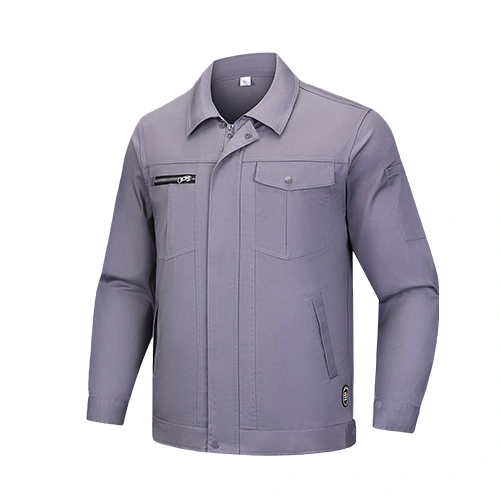
Two-piece: Easy to put on and take off, suitable for general workshops.
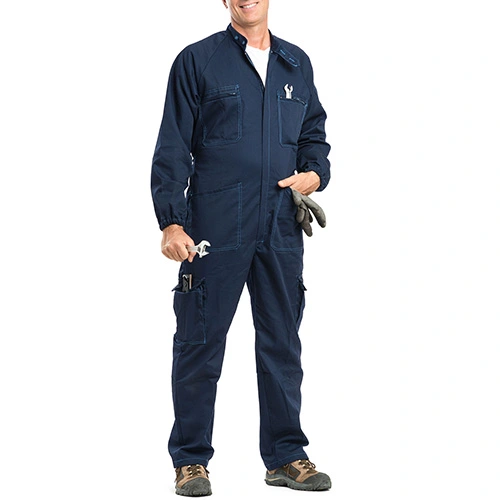
Anti-static overalls: More comprehensive protection, especially suitable for cleanrooms or high-risk areas, can prevent static electricity from accumulating at the junctions of upper and lower clothing.
Detail Design
The seams should use conductive thread.
Avoid metal parts (e.g., buttons, and zippers should be made of plastic or have an anti-static coating).
Cuffs and trouser legs are recommended to have a tightening design (to prevent dust from entering or static accumulation), especially the cuffs of anti-static overalls are particularly critical.
Comfort and Durability
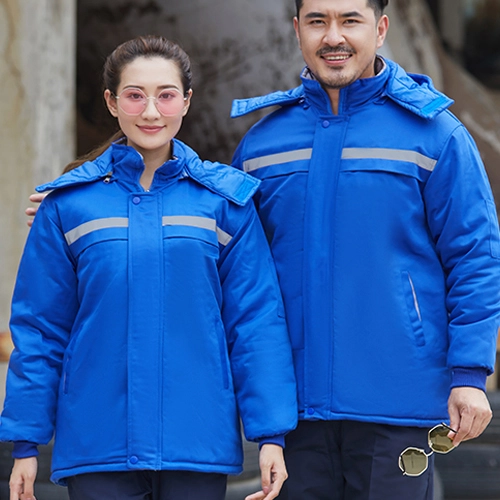
Breathability: Choose mesh lining or breathable fabric (especially in high-temperature environments), and antistatic overalls should also consider breathability design when used in summer.
Proper fit: Too loose can easily generate static electricity from friction, too tight can hinder operations, especially when wearing anti-static overalls, size matching needs particular attention.
Washing durability: Confirm the washable times of the conductive fibers (high-quality anti-static overalls can still meet standards after more than 100 washes).
Anti-static overalls is not only essential equipment in production but also a part of the safety guarantee. Especially in high-sensitivity occasions, choosing qualified and suitable anti-static overalls can effectively improve electrostatic protection efficiency and reduce safety hazards. When purchasing, one should combine the usage scenarios, standard requirements, and wearing experience to make a scientific choice after a comprehensive evaluation.