In our modern world, protective clothing serves as a crucial line of defense against a variety of hazards, from environmental elements to workplace dangers. Whether it's shielding against extreme weather conditions or safeguarding against occupational hazards, protective clothing plays a vital role in ensuring the safety and well-being of individuals across various industries.
Understanding Protective Clothing
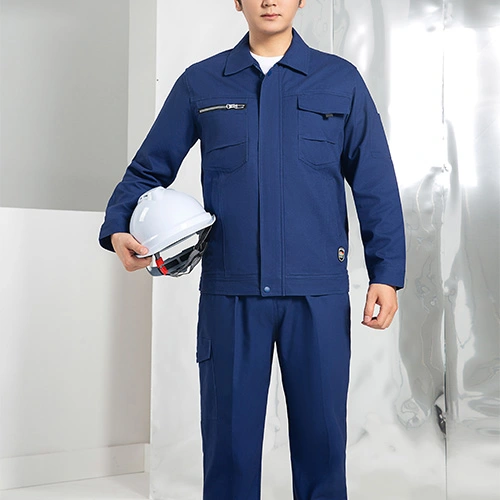
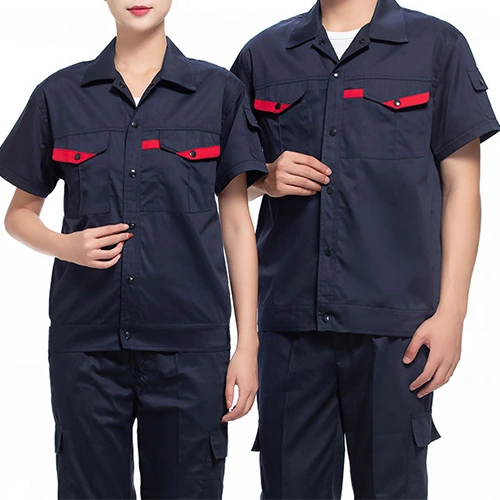
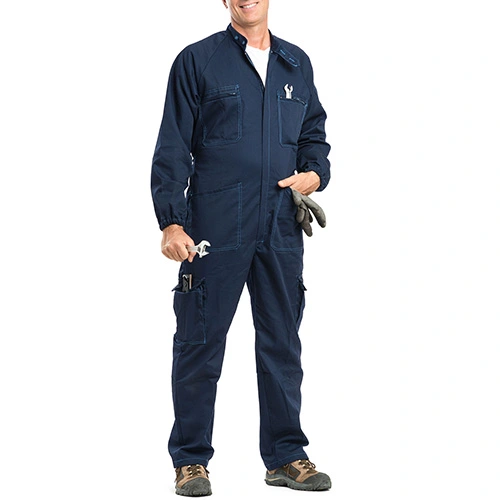
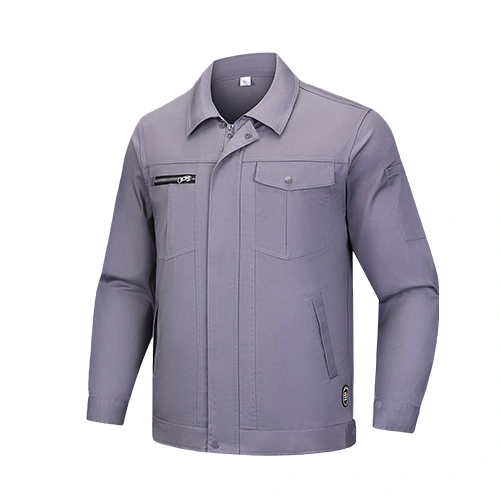
Protective clothing encompasses a wide range of garments designed to shield the wearer from specific hazards or risks. From flame-resistant coveralls to high-visibility vests, these garments are engineered with materials and features tailored to the demands of different environments and industries. Modern manufacturers often incorporate protective elements to ensure these garments meet rigorous safety benchmarks. Protective clothing is not only about physical protection; it also provides psychological reassurance, instilling confidence in the wearer as they go about their tasks.

Protection Against Environmental Hazards
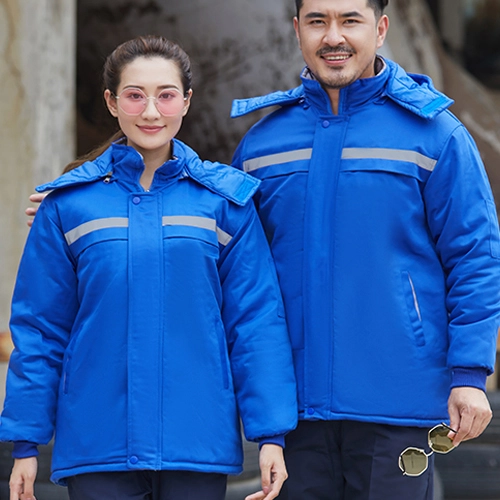
One of the primary functions of protective clothing is to safeguard individuals against environmental hazards such as extreme temperatures, harsh weather conditions, and exposure to harmful substances. For outdoor workers, this may include insulated jackets for cold climates or lightweight, breathable fabrics for hot and humid conditions. Similarly, individuals working in hazardous environments, such as chemical plants or construction sites, rely on specialized protective clothing to minimize the risk of exposure to toxic substances or physical injuries.
Enhancing Workplace Safety
In industrial settings, protective clothing is an essential component of workplace safety protocols. From hard hats and steel-toed boots to protective gloves and goggles, these garments are designed to mitigate the risk of workplace accidents and injuries. By providing employees with the appropriate protective gear, employers demonstrate their commitment to prioritizing safety and minimizing occupational hazards.
Meeting Regulatory Standards
In many industries, compliance with regulatory standards governing protective clothing is mandatory. Government agencies such as the Occupational Safety and Health Administration (OSHA) establish guidelines and regulations to ensure that employers provide workers with adequate protection against workplace hazards. Adhering to these standards not only protects employees from harm but also helps businesses avoid costly fines and penalties.
Summary of Protective Clothing Regulatory Standards
| Hazard Type | Key Standards (ISO/EN/OSHA) | Recommended Garment |
| Electrostatic | EN 1149-5, ANSI/ESD S20.20 | Antistatic Coveralls / ESD Smocks |
| Thermal/Flame | EN ISO 11612, NFPA 2112 | Flame-Resistant (FR) Suits |
| High Visibility | EN ISO 20471, ANSI/ISEA 107 | Reflective Vests / Jackets |
| Chemical Risk | EN 13034 (Type 6) | Acid-Resistant Protective Wear |
Specialized Protective Gear & Industrial Innovation
Modern protective clothing has evolved from simple barriers into sophisticated engineering solutions. Innovative shielding now goes far beyond basic weather protection, addressing the complex requirements of high-tech and heavy-industrial environments.
1. Precision Shielding for Electronics & Semiconductors
In the realm of semiconductor repair and SMT (Surface Mount Technology) production, standard apparel is a liability. Our specialized Antistatic (ESD) Clothing is non-negotiable for these environments. Engineered with conductive carbon fibers, these garments effectively dissipate static charges, preventing catastrophic electrostatic discharge that can destroy sensitive components and cause expensive equipment downtime.
2. High-End Thermal & Flame Protection
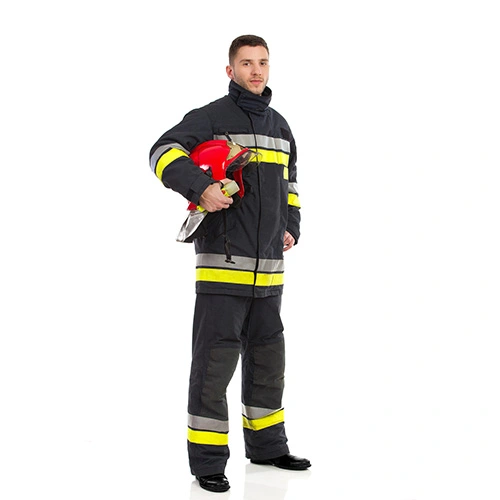
For high-end manufacturing, casting, and petrochemical industries, the risks are more immediate. Our Fire-Retardant (FR) Coveralls provide a critical, life-saving barrier between the worker and thermal hazards. Unlike treated fabrics that wash out, we focus on inherent flame-resistant materials that maintain their protective integrity through hundreds of industrial wash cycles, ensuring long-term compliance with EN ISO 11612 standards.
3. Advanced X-Ray & Multi-Hazard Protection
As industrial inspection becomes more rigorous, the demand for X-ray shielding apparel and multi-hazard protection has surged. By integrating high-density protective layers with lightweight, ergonomic designs, we ensure that operators in SMT X-ray inspection and medical manufacturing stay shielded without compromising the mobility required for precision tasks.
The integration of moisture-wicking technology into these specialized garments further ensures that safety does not come at the cost of comfort. By maintaining a stable body microclimate, our gear reduces worker fatigue, which is a leading cause of workplace accidents in high-stress industrial sectors.
Industrial Solutions: Industry-Specific Applications
Protective clothing is never "one size fits all." To maximize safety and operational efficiency, we provide customized apparel solutions tailored to the unique regulatory and environmental demands of diverse B2B sectors:
1. Electronics, SMT & Semiconductor Manufacturing
In precision environments where even an invisible spark can lead to catastrophic component failure, specialized Antistatic (ESD) Gear is the critical line of defense.
The Solution: ESD smocks, antistatic coveralls, and carbon-fiber integrated gloves.
Key Benefit: Ensures a static-free environment for sensitive component handling, reducing defect rates in SMT production lines.
2. Petrochemical, Oil & Gas, and Metal Casting
High-heat and volatile environments require materials that do not support combustion and provide a thermal barrier.
The Solution: Heavy-duty Flame-Resistant (FR) Suits and heat-shielding apparel compliant with EN ISO 11612.
Key Benefit: Protects personnel from flash fires and molten metal splashes, maintaining structural integrity under extreme thermal stress.
3. Logistics, Construction & Outdoor Infrastructure
For workers exposed to moving vehicles or harsh weather, visibility and climate control are the primary safety factors.
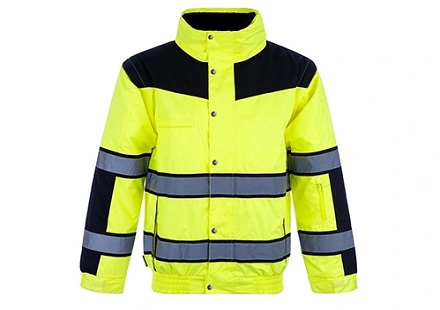
The Solution: High-Visibility (Hi-Viz) reflective vests and moisture-wicking thermal jackets.
Key Benefit: Combines ANSI-certified reflective safety with advanced fabric technology that pulls sweat away from the body, keeping workers dry in the summer and insulated in the winter.
4. Healthcare & Laboratory Environments
Preventing cross-contamination and exposure to biological or chemical agents requires high-barrier, ergonomic PPE.
The Solution: Fluid-resistant lab coats and specialized chemical-protective gowns.
Key Benefit: Provides a reliable biological barrier while maintaining the breathability needed for long laboratory shifts and medical procedures.
Technical Insights & FAQ
How do you ensure the compliance of protective clothing for international standards?
Compliance is our baseline. At QiaFeng, we ensure all garments adhere to international standards like OSHA and EN ISO 11612 through our professional OEM/ODM apparel manufacturing services. Every batch undergoes rigorous testing in our Jiangsu facility to ensure durability, color fastness, and protective integrity, meeting the strict technical requirements of global industrial clients.
Can high-quality protective clothing actually improve workforce productivity?
Yes, significantly. Protective gear is often a trade-off between safety and comfort; however, by utilizing advanced moisture-wicking fabrics and lightweight, high-breathability materials, we minimize the "burden of protection." When workers remain cool and dry during long shifts, it reduces heat stress and physical fatigue, allowing them to maintain focus on safety-critical tasks and improving overall operational efficiency.