School uniform procurement is a multi-layered decision that extends far beyond aesthetics and campus brand colors. For school boards, administrative directors, and private academy procurement officers, selecting the right textile composition is a high-stakes investment. Educational garments endure rigorous daily wear, sports activities, recess play, and continuous heavy-duty industrial laundering. Choosing a sub-standard textile leads to rapid fabric degradation, structural shrinking, color fading, and—most importantly—skin discomfort for growing children.
To build an institutional wardrobe that balances professional appearance, exceptional durability, and safety compliance, procurement teams must understand the material engineering behind modern textiles. As a global custom school uniform manufacturer, QiaFengShengShi delivers an authoritative breakdown of the best fabrics for academy uniforms.
The Core Textile Science: Evaluating Uniform Fabrics
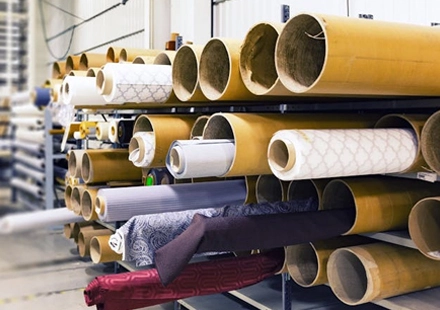
When auditing fabric samples from a wholesale student apparel supplier, your engineering and procurement committee should analyze three primary technical benchmarks:
Tensile and Tear Strength: The fabric's mechanical resistance to tearing during active physical play or friction.
GSM (Grams per Square Meter): The metric weight of the fabric, which dictates thickness, seasonal adaptability, and opacity.
Colorfastness: The textile's capability to retain its original dye intensity against friction, perspiration, and aggressive detergent cycles.
Complete Fabric Comparison Matrix for Academy Procurement
Different campus settings require highly specific textile blends. The table below outlines the industrial standards for premium school apparel production:
Fabric Category | Technical Blend & Weight | Ideal Campus Application | Primary Practical Advantages |
Premium Pique Cotton | 100% Combed Cotton
(180–220 GSM) | Kindergarten playwear, summer polo shirts, and daily activewear. | Maximum breathability, completely hypoallergenic, premium softness, and highly gentle on sensitive skin. |
Poly-Cotton Blend (TC) | 65% Polyester / 35% Cotton
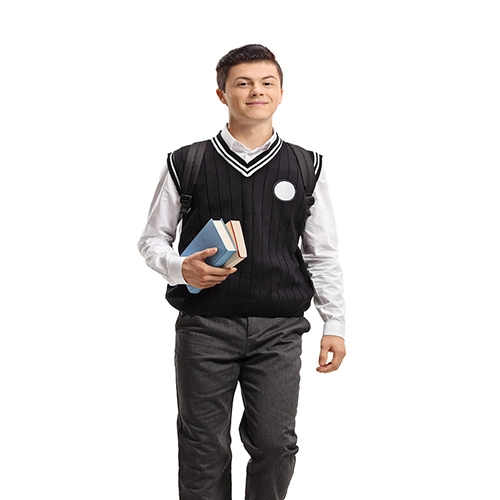
(150–180 GSM) | Primary, middle, and high school daily woven shirts, blouses, and pleated skirts. | Outstanding wrinkle resistance, minimal shrinking, excellent shape retention, and superior colorfastness. |
Performance Nylon/Spandex | 85% Nylon / 15% Spandex
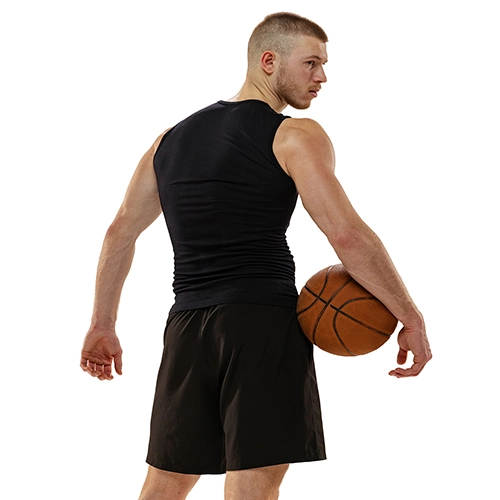
(220–260 GSM) | Physical Education (PE) tracksuits, athletic kits, and outdoor sports apparel. | Advanced moisture-wicking properties, 4-way mechanical stretch, and rapid-dry execution. |
Wool-Polyester Twill | 45% Wool / 55% Polyester
(300–350 GSM) | Formal prestigious school blazers, tailored winter trousers, and academy waistcoats. | Projects a highly sophisticated institutional image, retains sharp creases, and offers natural thermal insulation. |
When designing a comprehensive campus dress code, a multi-textile approach is essential. For example, deploying durable poly-cotton blends for weekly classroom sessions ensures easy maintenance for parents, while utilizing synthetic performance microfibers keeps students dry and agile during physical education. For a thorough exploration of the administrative and sociological impacts of establishing a unified campus wardrobe, review our comprehensive analysis on the modern benefits of student uniform implementation in education.
Specialized Fabric Enhancements for Extreme Longevity
Modern textile engineering allows manufacturers to apply specialized chemical treatments and weaving techniques during the fabrication process to maximize wearability:
Anti-Pilling Treatments
Repetitive friction from school backpacks often causes standard knitwear to develop unsightly fabric pills (small fuzz balls). Premium uniform materials undergo an industrial anti-pilling finishing process that shears away loose surface fibers, keeping sweaters and polo shirts looking brand new for longer periods.
Stain and Liquid Repellency
For primary and elementary school students, food spills, ink stains, and dirt are inevitable. Applying advanced fluorocarbon or nano-textile coatings creates an invisible protective barrier around individual fibers. Liquids bead up and roll off the fabric surface instantly, reducing the need for aggressive bleaching and extending the total lifecycle of the garment.
Pre-Shrunk Fabric Engineering
Natural fibers like cotton naturally contract when exposed to hot water and tumble dryers. Quality manufacturers execute an industrial pre-shrinking process (Sanforization) before cutting the patterns. This ensures that the custom-tailored school outfits maintain their exact size profiles and ergonomic fits after dozens of domestic laundry cycles.
Frequently Asked Questions About School Apparel Sourcing
Q1: What fabric safety standards should school boards mandate during procurement?
School garments are worn closely against children's skin for up to 8 to 10 hours a day. Therefore, safety is non-negotiable. Procurement managers must demand textiles that are certified under non-toxic international frameworks, such as the OEKO-TEX® Standard 100 or global organic textile standards. These verifications guarantee that the student clothing is completely free from carcinogenic dyes, allergenic chemical residues, formaldehydes, and heavy metals that cause severe skin allergies or respiratory issues in developing children.
Q2: Which branding method provides the highest durability for a school crest?
To achieve premium longevity that matches heavy-duty fabrics, computerized 3D embroidery or high-density woven badges are superior to traditional heat-press vinyl prints. While vinyl prints can eventually crack, peel, or fade under high dryer temperatures, embroidery physically weaves the custom school crest directly into the textile structure. This structural integration ensures that the academy emblem remains sharp, vibrant, and completely intact for the entire life span of the uniform.
Q3: How do factories optimize school apparel lines for extreme winter environments?
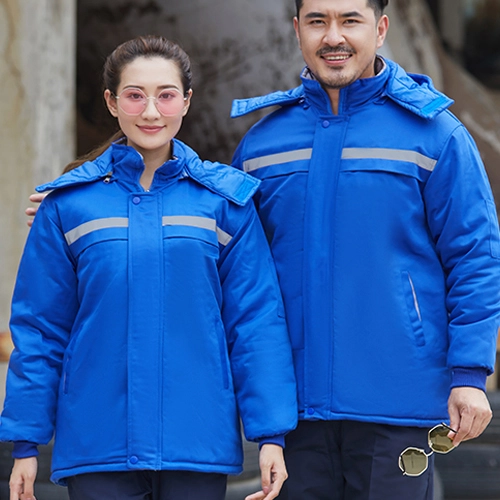
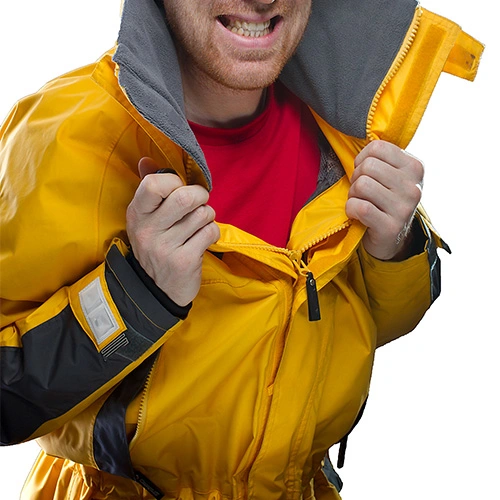
A comprehensive institutional wardrobe must comfortably protect students across all seasonal shifts. For extreme winter regions, professional factories move beyond standard cotton layers to engineer specialized cold-weather outerwear. We manufacture heavy-duty, windproof, and waterproof down jacket thermal jackets insulated with premium down or technical synthetic fleece linings. This heavy-duty outerwear allows students to safely commute and participate in outdoor winter school excursions while maintaining a perfectly unified school identity.
Finalizing Your Academy Procurement Brief
Before finalizing a contract with an apparel partner, ensure your technical brief requests physical fabric swatches rather than relying solely on digital color sheets. Evaluating the physical hand-feel, fabric weight, and stretch capability allows your board to verify that the garments meet your internal institutional standards.
If your educational institution or public school district is preparing an upcoming apparel update, please contact our global procurement department. Our engineering team will assist you in generating custom textile specification sheets, establishing optimal GSM targets, and arranging a physical sample package tailored directly to your regional climate and aesthetic requirements.